CMP
Blog posts about CMP
Why Browser Privacy Controls Will Not Replace CMPs

Why Browser Privacy Controls Will Not Replace CMPs
For years, there has been recurring speculation that browser privacy controls, operating system settings, or automated preference signals would eventually eliminate the need for consent management platforms. The reality is proving far more complex. Browser-level privacy controls are becoming increasingly important within the digital ecosystem. Technologies such as Global Privacy Control (GPC), browser tracking restrictions, and privacy-focused platform initiatives are reshaping how data collection and consent signaling operate online. But these technologies are not replacing consent management platforms. They are becoming part of a broader privacy infrastructure ecosystem that modern CMPs increasingly help organizations manage.
The Difference Between a Cookie Banner and a Modern CMP
The Difference Between a Cookie Banner and a Modern CMP
Many businesses still use the terms “cookie banner” and “consent management platform” interchangeably. They are no longer the same thing. A few years ago, a simple cookie popup was often enough to address basic transparency requirements. Today, the digital privacy ecosystem has evolved significantly. Modern privacy compliance now involves advertising platforms, analytics systems, AI-driven services, mobile applications, server-side environments, and increasingly complex consent signaling requirements. As a result, modern consent management platforms have evolved far beyond standalone banners. Understanding that difference is becoming increasingly important for businesses operating in today’s digital ecosystem.
Why Consent Management Platforms Are Becoming Infrastructure, Not Just Cookie Banners

Why Consent Management Platforms Are Becoming Infrastructure, Not Just Cookie Banners
For years, consent management platforms were often viewed as simple website add-ons. A banner appeared at the bottom of a page, users clicked “Accept” or “Reject,” and businesses moved on. That view no longer reflects reality. Today’s digital ecosystem has fundamentally changed. Privacy regulation is expanding, advertising platforms increasingly depend on verified consent signals, AI systems are introducing new governance requirements, and organizations are expected to demonstrate accountability across multiple technologies and jurisdictions. Modern consent management is no longer just about displaying a banner. It is becoming core digital infrastructure. As a Google Gold Certified CMP Partner and official IAB TCF v2.4 Partner, CookieHub sees this transition happening across the entire market.
Google Analytics and Google Ads Are Changing: What Your Business Must Do Before June 15

Google Analytics and Google Ads Are Changing: What Your Business Must Do Before June 15
If your business runs Google Ads and uses Google Analytics, a structural change to how these two platforms share and control data takes effect on June 15, 2026 - and the compliance window is closing fast. This is not a routine platform update. It affects your privacy policy, your cookie consent banner, and - critically - how your consent management platform (CMP) communicates with Google's ad infrastructure. Legal teams, marketing managers, and developers all need to be in the loop before the deadline. Here is what is changing, what it means in practice, and the concrete steps you should take right now.
10 Best Consent Management Platforms 2026

10 Best Consent Management Platforms 2026
What are the best consent management platforms in 2026? The best consent management platforms combine regulatory compliance (GDPR, CCPA, US state laws), prior script blocking, audit logging, Google-certified Consent Mode v2 support, IAB TCF participation, multilingual capability, and scalable pricing. Leading CMPs in 2026 include CookieHub, OneTrust, Cookiebot, Didomi, iubenda, Secure Privacy, and others.
Relieve consent fatigue: How a CMP can help
Relieve consent fatigue: How a CMP can help
Consent fatigue is rising as users face constant cookie prompts and fragmented privacy laws. Regulators demand fair, simple consent choices, while businesses must balance compliance and marketing. Modern consent management platforms (CMPs) can reduce fatigue by honoring opt-out signals, designing ethical banners, minimizing repetition, and integrating trust-focused privacy practices.
Web session hijacking via cookies and how a CMP can help

Web session hijacking via cookies and how a CMP can help
Kaspersky warns that session hijacking via cookies poses serious security risks, allowing attackers to impersonate users or steal data. The report highlights threats like XSS, session fixation, and insecure cookie settings. Strong defenses include HTTPS, Secure/HttpOnly flags, MFA, and consent management platforms (CMPs) like CookieHub to minimize cookie-based vulnerabilities.
Do consent management and data privacy systems work in the real world?
Do consent management and data privacy systems work in the real world?
Consent management platforms (CMPs) promise real privacy and compliance but often fall short in practice. Studies reveal manipulative designs, broken revocation, and ignored opt-outs undermine user trust. True compliance requires continuous auditing, integration, and user-centered design. When done right, CMPs evolve from checkbox compliance to genuine, trust-building data governance systems. In an increasingly privacy-aware landscape, many companies turn to consent management platforms (CMPs) and privacy tools to keep pace with regulations like GDPR and the CCPA. But the real question remains: do these systems genuinely work — or are they simply compliance theater?
Understanding Cross-Domain Cookies with CookieHub
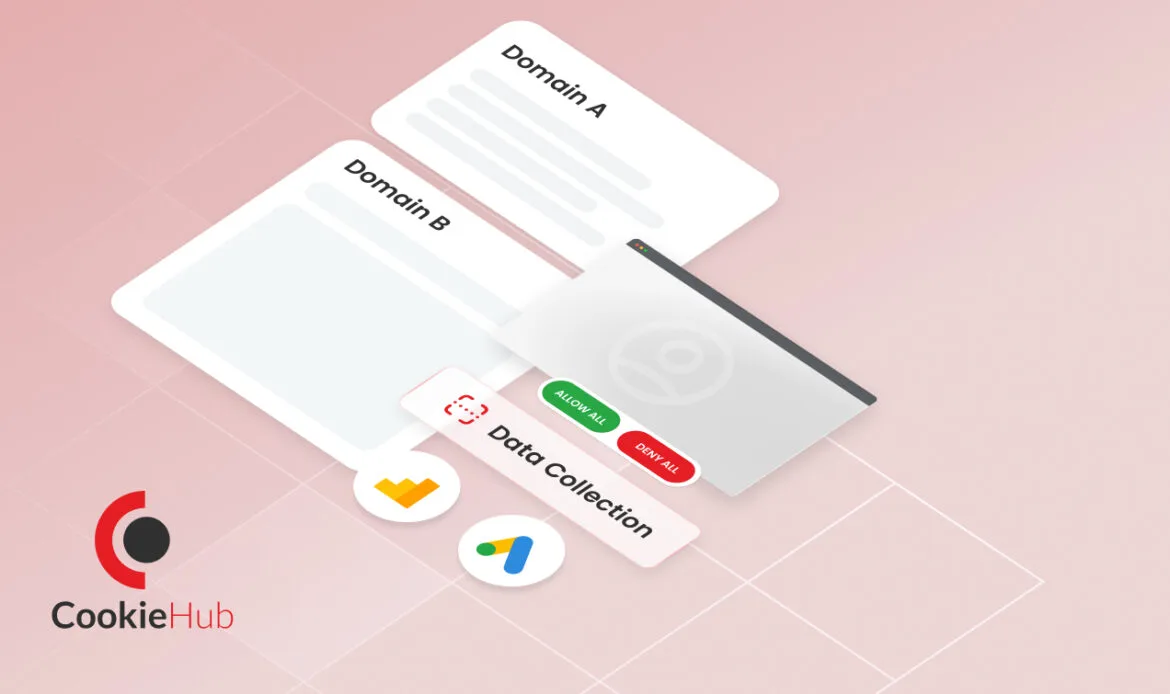
Understanding Cross-Domain Cookies with CookieHub
Managing user consent across multiple domains can be a complex task, especially for websites operating under strict privacy regulations like GDPR or CCPA. CookieHub simplifies this challenge with its Cross-Domain Cookies feature, which facilitates the seamless transfer of user consent information across domains.
What Are Cookies? – Guide to Website Cookies & Privacy

What Are Cookies? – Guide to Website Cookies & Privacy
Cookies are small text files that websites store on a user’s device to enhance browsing experiences and gather information about user interactions. They play a pivotal role in web functionality, enabling features like remembering login details, preserving shopping cart contents, and delivering personalized content.
How to Create a Cookie Policy for Your Website: A Step-by-Step Guide
How to Create a Cookie Policy for Your Website: A Step-by-Step Guide
A cookie policy isn’t just a nice-to-have; it’s essential. Privacy regulations like the GDPR and CCPA require websites to disclose their cookie practices, and a transparent cookie policy builds trust with your users by explaining how their data is used. If you’re unsure where to start, this guide will walk you through the steps to create a comprehensive cookie policy tailored to your website’s needs.
What is Google Consent Mode V2 and who does it affect?

What is Google Consent Mode V2 and who does it affect?
As data privacy concerns continue to grow in the online arena, keeping up with compliance requirements is a key responsibility for website owners. The rollout of updates to Google Consent Mode (informally referred to as “V2”), is a major step in remaining compliant with changing privacy laws.
What is Consent Management?

What is Consent Management?
As the digital arena has rapidly expanded, so have the number of ways personal data can be collected and processed by businesses. This, of course, has resulted in widespread data privacy concerns, with a nearly continuous stream of privacy laws being designed to protect users online. Sitting at the forefront of all this is “consent management,” a key process that ensures businesses comply with global data protection laws and respect customer preferences.
CookieHub is a Google Gold CMP Partner

CookieHub is a Google Gold CMP Partner
We are happy to announce that CookieHub has been recognized as a Gold CMP Partner by Google. This recognition highlights our commitment to providing leading privacy and consent management solutions, and it marks a milestone in our journey to help businesses worldwide stay compliant with global data privacy regulations.
CookieHub Becomes Google CMP Partner
CookieHub Becomes Google CMP Partner
In recent years, numerous data protection laws have been enacted in a bid to enhance data privacy for internet users worldwide. Stringent laws, like the EU’s General Data Protection Regulation (GDPR), mandate that websites obtain explicit consent from users before utilizing their data, particularly for targeted advertising purposes. With hefty fines for non-compliance, reaching up to €20 million or 4% of global annual revenue, regulations like GDPR need to be observed with great care.
Google’s Upcoming CMP Requirements in Switzerland
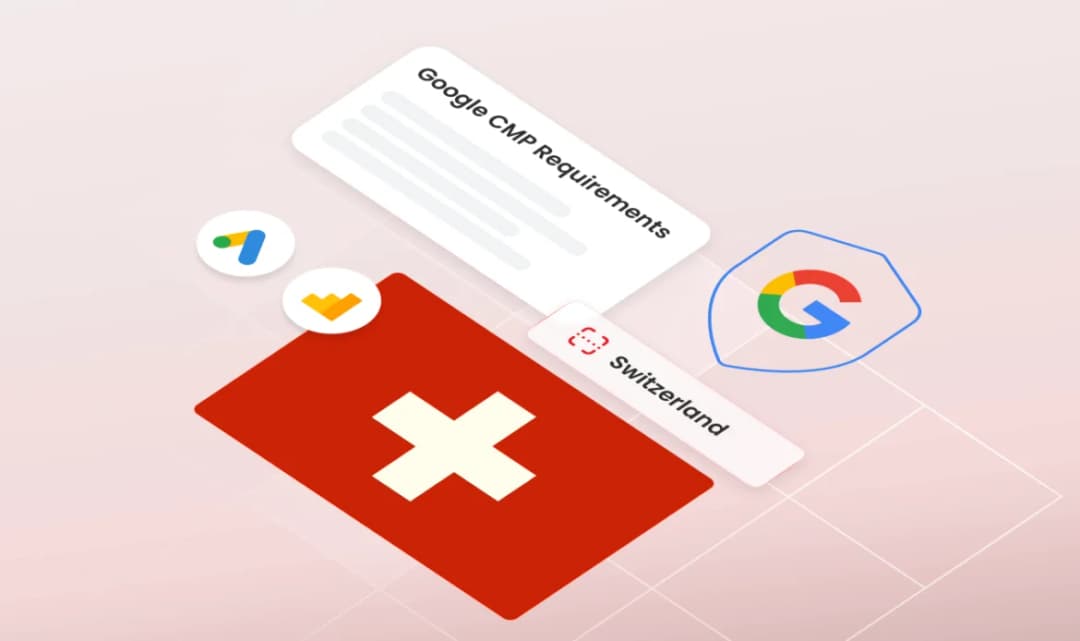
Google’s Upcoming CMP Requirements in Switzerland
With Google expanding its compliance mandates in Switzerland, websites that cater to Swiss users will soon need to engage a certified Consent Management Platform (CMP) that’s integrated with the Transparency & Consent Framework (TCF). The same precision that Switzerland brought to their internationally renowned watches is now being applied to its data privacy—with Google’s extended regulations aiming to harmonize data privacy laws in Switzerland with the well-established regulations that exist in the European Union and the United Kingdom.
An Easy Guide to Google Consent Mode V2

An Easy Guide to Google Consent Mode V2
The launch of Google Consent Mode v2 signifies a major step in Google’s attempts to balance the needs of advertisers to collect user data with the rights of users to maintain their privacy. Unveiled in late November 2023, Google Consent Mode V2 is an evolved version of its predecessor and comes with a number of key new features. In this article, we’re going to explore this new incarnation, its implications for server-side tracking, its correlation with the Digital Markets Act, and the role that cookie banners play in compliance.
Global Privacy Control
Global Privacy Control
In this blog, we introduce Global Privacy Control, elaborating on its functionality, benefits, and the role it plays in the current digital privacy environment. We aim to shed light on how GPC operates, its alignment with existing privacy laws, and the implications for both internet users and website operators.
What Is a Consent Management Platform?
What Is a Consent Management Platform?
A Consent Management Platform (CMP) is a solution used by websites and mobile applications to manage and store the consent of their users for collection and use of their personal data. CMP’s help organizations to comply with privacy regulations such as GDPR and CCPA by providing a centralized solution for managing and documenting user consent.