What your business needs to know about the Botswana’s DPA
Botswana’s Data Protection Act governs the collection, processing, storage and transfer of personal data. Inspired by global frameworks like the EU’s GDPR, the law aims to safeguard individuals’ privacy rights while enabling lawful data-driven business practice.
Organizations must obtain explicit consent before processing personal data unless another legal basis applies (such as legal obligations, the performance of a contract, or legitimate interest as defined under the law). Privacy notices must clearly explain what data is collected, why it is processed, how long it will be stored, and whether it will be shared or transferred abroad.
Cross-border transfers of personal data are tightly regulated and generally require either explicit consent from the data subject or approval from the Information and Data Protection Commission.
What does DPA Botswana compliance require?
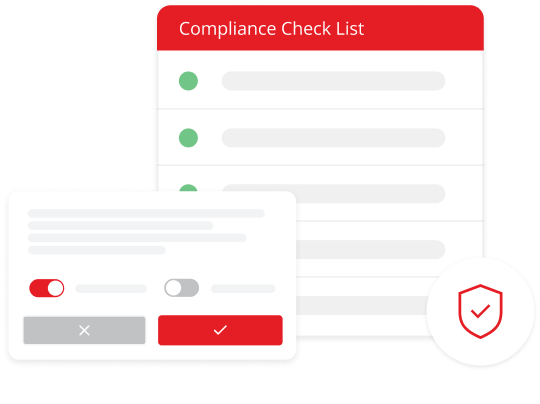
To check compliance with Botswana’s DPA, your organization should:
Conduct a data review:
Map out how your business collects, processes, and stores personal data.
Implement consent management:
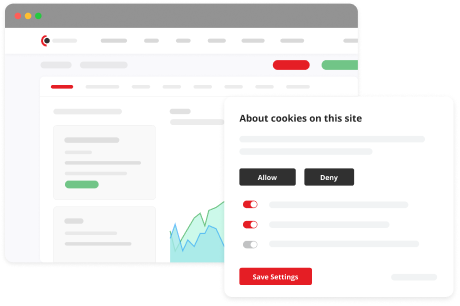
Ensure your cookie banner, privacy policy, and consent mechanisms are transparent and compliant.
Maintain records:
Maintain up-to-date documentation and carry out regular audits.
Train staff:
Educate employees about the law’s requirements and responsibilities.
Complete vendor checks:
Verify that partners, service providers, and third-party tools comply with Botswana’s law.
Who needs to comply with the Botswana’s data privacy law?
The DPA applies to all public and private organizations that process the personal data of individuals located in Botswana, regardless of where the organization itself is based. This includes local businesses, NGOs, online platforms, and international companies offering goods or services to people in Botswana.
Consumer rights under DPA Botswana
Under the Act, data subjects in Botsana have the following rights:
Right to be informed
To know what personal data is collected, for what purposes, and with whom it is shared.
Right to access
To learn whether their personal data is being processed and request access to it.
Right to rectification
To correct incomplete or inaccurate data.
Right to erasure (right to be forgotten)
To request deletion of personal data when it is no longer needed or if consent is withdrawn.
Right to restrict processing
To request limitations on data use in certain circumstances.
Right to object
To object to processing, including profiling or marketing.
Right to data portability
To request transfer of data to another controller, where feasible.
Right to withdraw consent
To withdraw previously given consent to processing at any time.
Right to lodge a complaint
To file a complaint with the Information and data Protection Commission if they believe their data rights have been violated.
Why cookies as part of Botswana data privacy compliance
Cookies and tracking technologies are considered personal data processing under Botswana’s DPA when they identify or can be linked to a user.
Essential cookies (necessary for site functionality) may not require consent.
Non-essential cookies (analytics, advertising, personalization) require explicit opt-in consent.
Websites must provide a clear cookie policy, allow users to withdraw consent at any time, and ensure consent logs are properly maintained.
Penalties for DPA Botswana non-compliance
The Information and Data Protection Commission can impose penalties for violations. These could include:
Administrative fines (up to BWP 1,000,000 depending on severity of breach)
Orders to suspend or restrict processing activities
Mandatory deletion of unlawfully processed data
Corrective actions and monitoring
Non-compliance risks both financial penalties and loss of customer trust.
How to comply with DPA Botswana
To prepare your business for compliance:
Audit:
Identify all cookies and trackers on your site.
Categorize:
Organize cookies into categories (necessary, preferences, analytics, marketing).
Implement consent management:
Deploy consent banners, allow easy withdrawal, and log consent activity.
Review partners and vendors:
Ensure all third-party tools and platforms are compliant.
Train employees:
Build awareness of compliance requirements and internal policies.
Frequently Asked Questions
The Act regulates the processing of personal data by individuals and organizations in Botswana. It protects individuals’ privacy rights when their data is collected, used, stored, or transferred.
Any information that relates to an identified or identifiable individual. This includes names, IDs, contact details, financial data, or any data that can directly or indirectly reveal someone’s identity.
Sensitive data includes information on race, religion, political beliefs, union membership, health, sexual life, biometric or genetic identifiers, and criminal records. Processing such data requires heightened safeguards and explicit consent.
A dedicated Information and Data Protection Commission (IDPC) is the independent regulator responsible for monitoring compliance, issuing guidance, and enforcing the law.
The law does not apply to purely personal or household data processing where information is not shared with third parties or used commercially.
Further details, guidelines, and official resources are published by the Data Protection Commission of Botswana.
Last updated:
Disclaimer: The information provided on this page is for general reference purposes only and is not intended to constitute legal or regulatory advice. Data privacy regulations are complex and subject to frequent updates, interpretations, and jurisdictional variations. While efforts are made to keep the material accurate and up to date, we cannot guarantee its completeness or applicability to your specific circumstances. For guidance on compliance or legal obligations, please consult qualified legal professionals or the appropriate regulatory authorities.